
Meet Our Team



OFFICERS
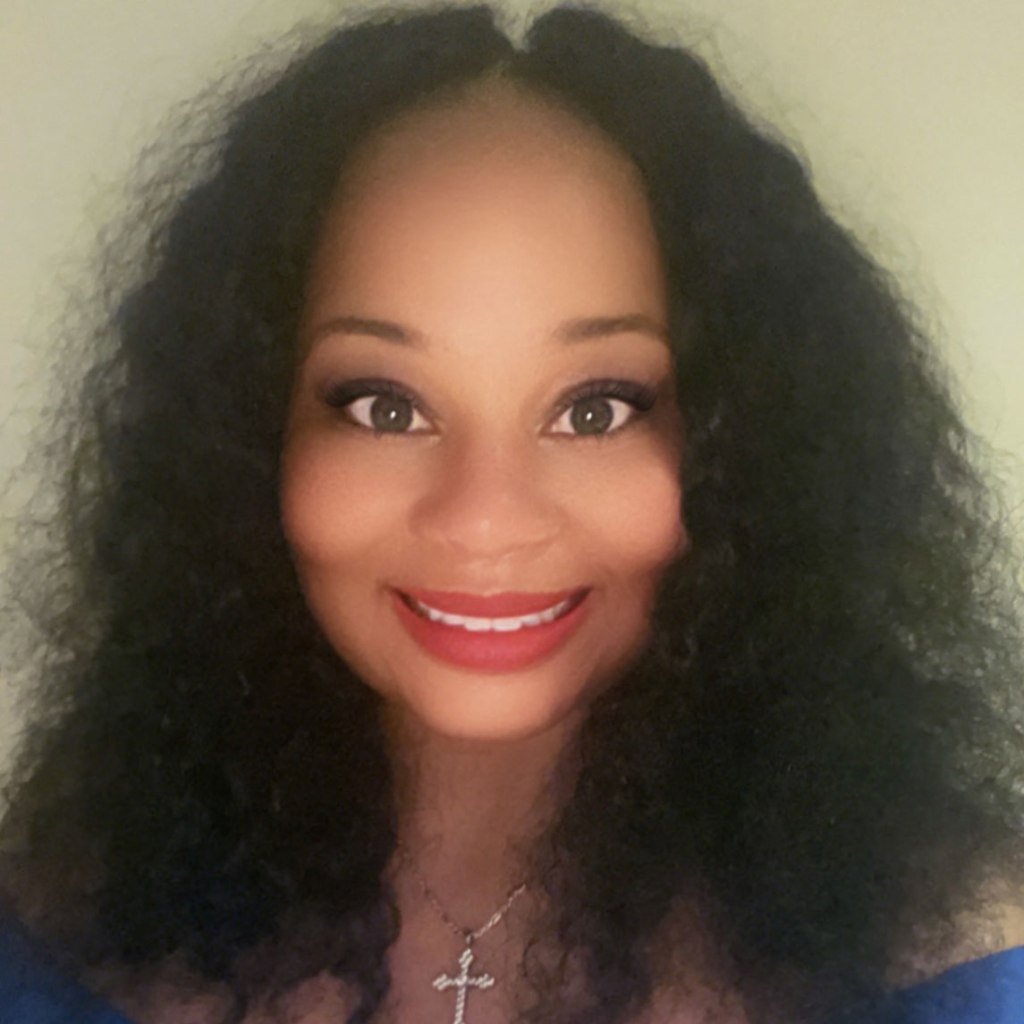
Niya W. Brooks, President
Antwan Brooks, Vice President
Marageret Harris, Vice President
Tashina Hamilton Secretary
Phylicia B. Richardson, Treasurer
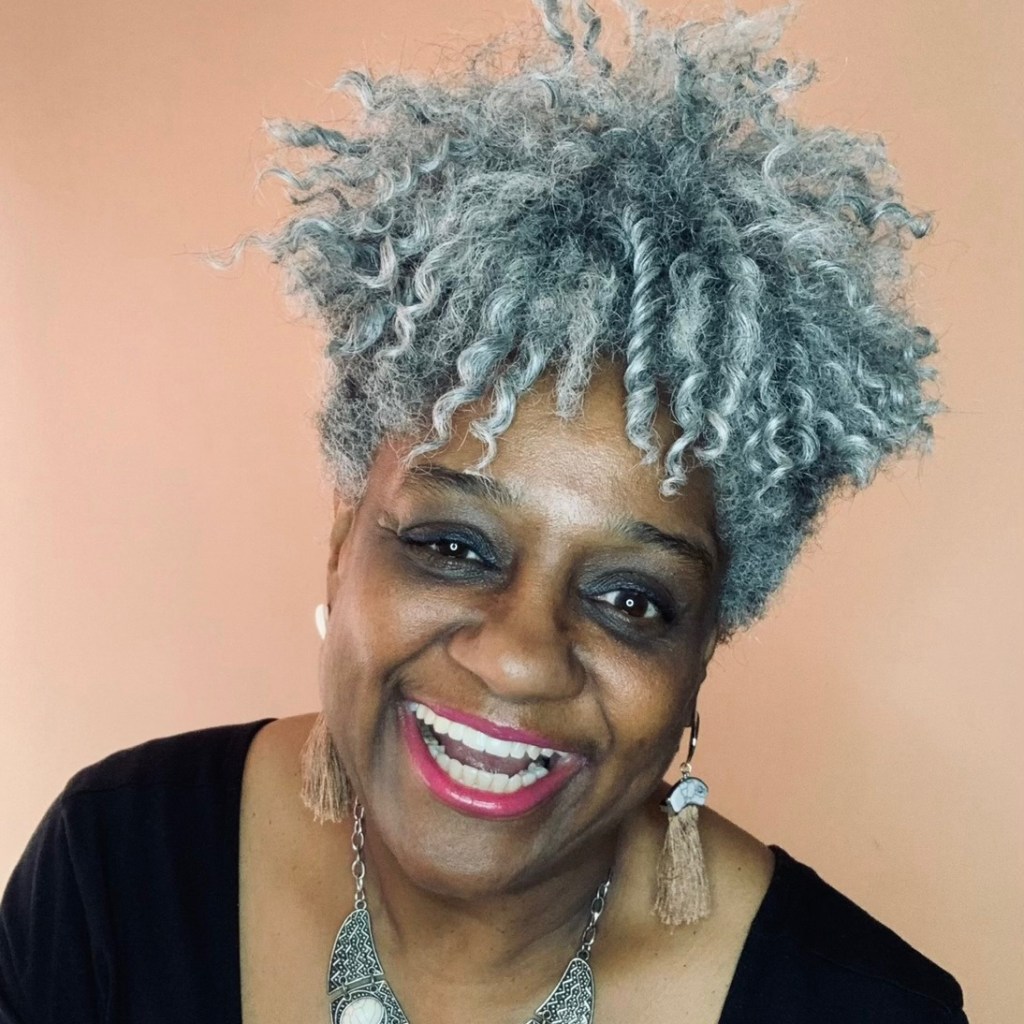
DIRECTORS
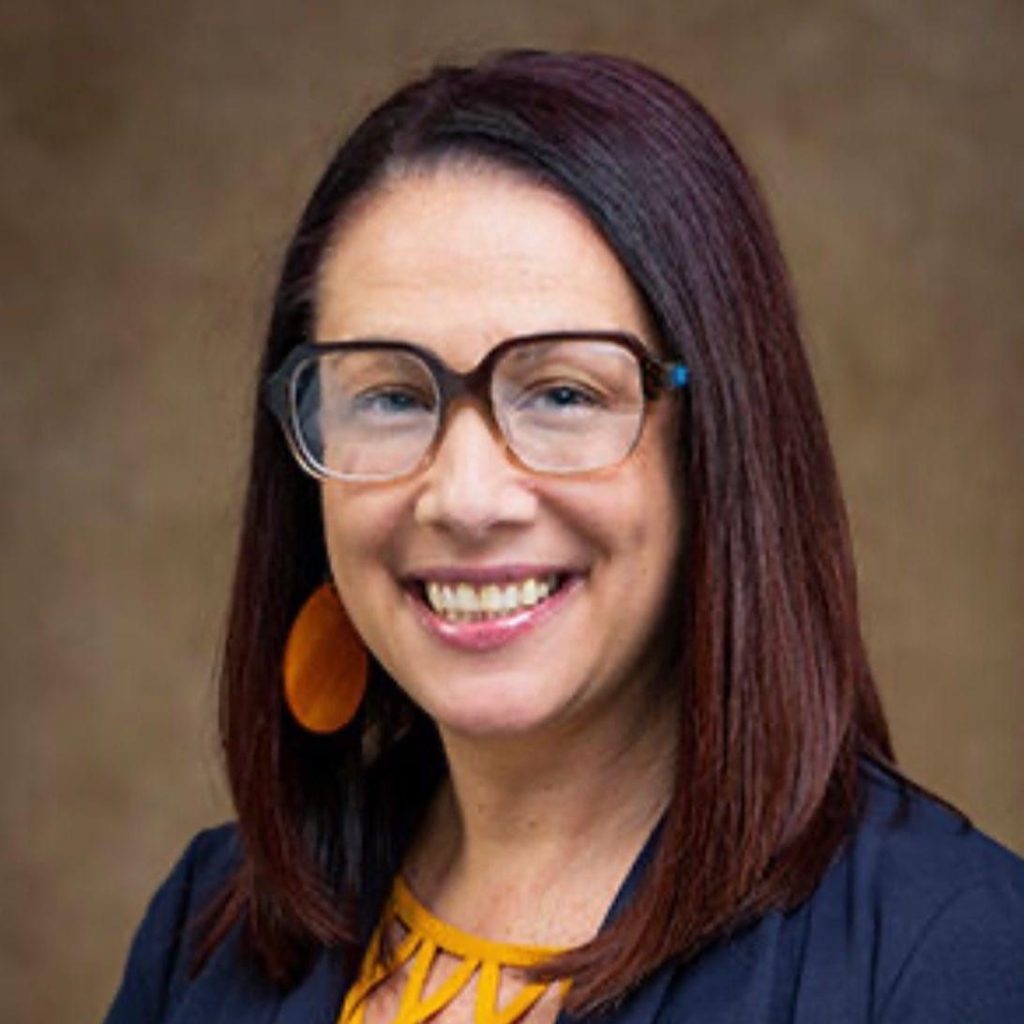
Dr. Michelle Vance, Development Director
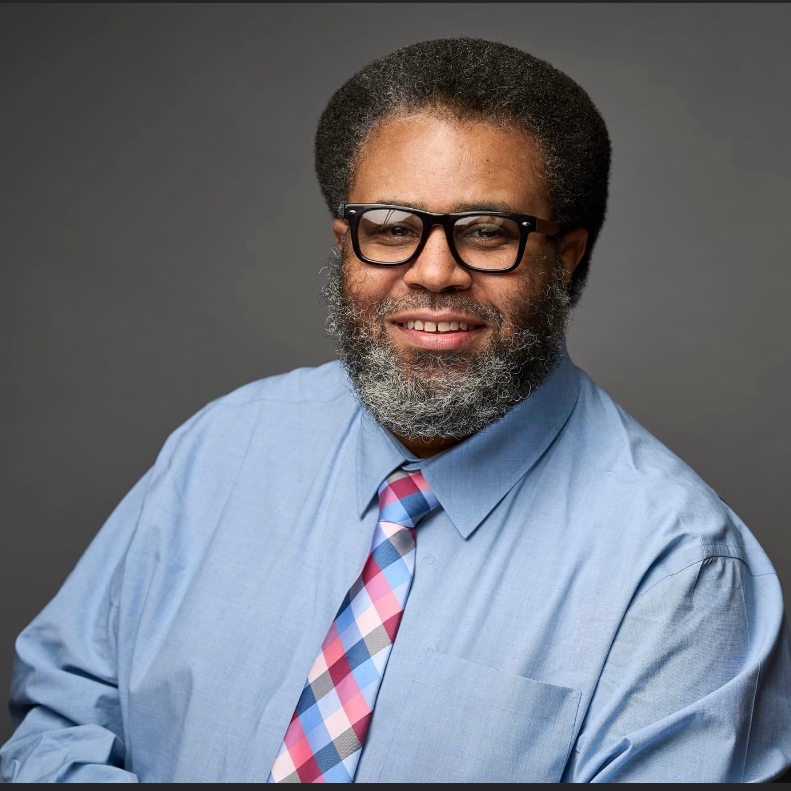
Jamal Umar Abdar- Rahman, Member At Large
Shauna Gill Morris, Community Outreach Coordinator

What We Do
The Shelby School Of Esthetics Foundation a 501(c)(3) nonprofit organization, opens doors to cosmetic arts education and training through direct assistance programs for students and through active participation in many aspects of the Cosmetic and Beauty Industry communities.
- The Foundation provides a variety of philanthropic options to donors who choose to support its educational programs. These include donations of cash and securities, and planned giving through trusts, gift annuities, and bequests. (To see which donation options might be best for your needs please contact us.)
- The Foundation’s core financial programs provide grants to students for cosmetic arts education.
- The Student Mentor Program provides information and guidance to assist area students in determining what employment opportunities they want to pursue after training.
- The Foundation is committed to policy and systems change that will increase business ownership and entrepreneurship. Core to the Foundation’s policy work are the experiences of students. The Foundation engages students to research and analyze policy, craft policy positions, involve other students in advocacy, and advocate for women and or minority beauty businesses.
- The Foundation conducts free public workshops at which students and their family members can learn more about business ownership, decipher confusing tax law and policies and become familiar with basic principles of financial literacy.
How We Do It
All Scholarship Foundation Programs, including those it operates in partnership with other organizations, are based upon the following principles.
Identity and Professional Information
The Foundation will:
- Invite but not require students to participate in the publicity or media appeatenaces, without the students; decision whether to participate having an impact on award decisions
- Treat students fairly and consistently, and not discriminate on the basis of race, gender, age, disability, religion, sexual orientation, ethnicity, or membership in any protected class.
- Hold personal and identifying information as confidential, and not attribute or share it with third parties without permission of the student
- Safeguard identifying and financial information
Student Stories
The Foundation Will:
- Not dictate, prescribe, or script anyone’s story; commit to storytelling from a point of strength and not victimization.
- State transparently the intention and goal(s) when borrowing a students story, returning to the student to ask permission each time the story is shared anew.
- Make clear to students that they are under no obligation to share personal stories, will experience no repercussions for declining and have the final editing authority.
- Provide training, skill-building, and support for student storytellers, always providing compensation to students for their time.
- Ensure informed consent, which includes discussing risk and safety and always placing student well being first.


Funding
The Foundation will:
- Select students on the basis of qualifications without influence from other considerations such as donor input or personal relationship.
- Select students on the basis of financial need, academic potential, and character.
- Disburse grants directly to students and/or safeguard against displacement.
- Review each complete application carefully, thoughtfully, and in consideration of the context and circumstances of the applicant.
- Exercise due diligence in packaging grants, so that monies awarded are not made if excessive debt would result and/or the student will be insufficiently funded.
Advice/Guidance
The Foundation will:
- Seek open, honest communication with students
- Encourage students to practice self-determination and to learn self-advocacy.
- Treat students as unique individuals
- Offer advice and guidance to help students succeed but not obligate students to follow such advice.
- Respect student’s choice of school of attendance; however, the Foundation will not fund students attending schools not within the network, or students whose grant packages that leave them insufficiently funded or in excessive debt.
- Provide students with clear information about repayment to schools and debt management options, both in groups and individually, that will serve them throughout the years and beyond.

Relationship
The Foundation will:
- Keep information learned from the student in advising conversations separate from grant decisions, provided that the information does not affect the student’s eligibility for any Foundation program(s) in which the student is participating.
- Discuss a student’s information with student only, unless the student give permission for a third party to be involved.
- Provide opportunities for a student to regain good standing when the student loses funding due to insufficient progression or a failure to meet deadlines
- Seek to establish and maintain relationships of respect, trust, clear communication, and mutual accountability with students.
- Maintain primary relationship with the student, though that relationship may be initiated or strengthened in connection with our non profit community partners.
 The Shelby School Of Esthetics Foundation